

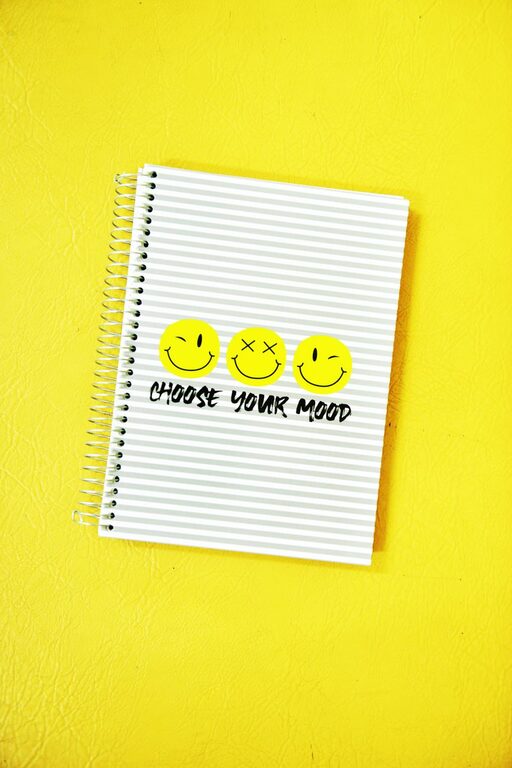
Choosing the right notebook can make a big difference in how often you use it and how enjoyable your writing or planning experience is. Whether you want a notebook for journaling, work notes, creative writing, or daily planning, there are many factors to consider. This guide will help you pick a notebook that suits your style and needs, so you’ll be motivated to use it consistently.
Why Choosing the Right Notebook Matters
A notebook is more than just a stack of paper; it’s a tool for capturing ideas, organizing thoughts, and setting goals. A notebook that feels comfortable and inspiring encourages you to write more often. On the other hand, a poorly chosen notebook might sit unused, leading to frustration and wasted money.
Identify Your Purpose
Before buying a notebook, think about how you plan to use it. Here are some common uses:
– Journaling: Daily reflections, gratitude lists, or personal growth notes.
– Work notes: Meeting minutes, project planning, or brainstorming.
– Creative writing: Story ideas, poetry, sketches.
– Planning: To-do lists, calendars, goal-setting.
Knowing your primary use will help you decide the size, layout, and features you need.
Consider the Notebook Size
Notebooks come in various sizes, and the right one depends on where and how you’ll use it.
– Pocket size (A6 or smaller): Easy to carry everywhere, good for quick notes or journaling on the go.
– Medium size (A5): A popular choice balancing portability and writing space.
– Large size (A4 or letter): Best if you need lots of space, ideal for detailed notes or sketches.
If you plan to carry your notebook daily, a smaller and lighter option is usually better.
Choose the Paper Type
The feel and quality of the paper impact your writing experience:
– Weight: Heavier paper (around 80–100 gsm or more) prevents ink from bleeding through.
– Texture: Smooth paper works well with pens, while rougher paper might be better for pencil or markers.
– Color: White or cream-colored paper reduces eye strain.
If you use fountain pens or markers, look for notebooks with bleed-resistant paper.
Decide on the Layout
The notebook’s page layout affects how you organize your notes:
– Lined: Great for writing and journaling.
– Grid or dot grid: Helpful for drawing, bullet journaling, or creating charts.
– Blank: Offers freedom for sketches and creative work.
– Pre-designed planners: Include calendars and scheduling pages.
Think about what layout will support your writing style best.
Binding Style and Durability
How the notebook is bound impacts its usability and longevity:
– Spiral binding: Allows the notebook to lay flat or fold back easily.
– Thread-sewn or perfect binding: More durable, often looks elegant but may not open flat.
– Hardcover vs. softcover: Hardcovers protect pages better but can be heavier; softcovers are lighter and more flexible.
Choose a binding that matches how you use your notebook and whether you want it to last.
Additional Features to Consider
Some notebooks come with extras that add convenience:
– Bookmarks or ribbons: Helps mark your place quickly.
– Elastic bands: Keep the notebook closed and secure.
– Pockets: Store loose papers or receipts.
– Numbered pages and index: Makes organization easier.
Think about which features will make your experience smoother.
Budget Matters
Notebooks range widely in price. While investing in a quality notebook can encourage usage, it’s not necessary to buy the most expensive one. Consider your budget and prioritize features that matter most to you.
Test Before You Commit
If possible, try writing on a few pages in a store or use samples. Pay attention to how the paper feels with your preferred pen, how the notebook opens, and how comfortable it is to hold.
Tips to Keep Your Notebook in Use
Even the perfect notebook needs a little encouragement to stay active:
– Keep it visible and easily accessible.
– Set a routine time to write or plan.
– Personalize your notebook with stickers or notes.
– Use colorful pens or markers to make writing fun.
Final Thoughts
Choosing a notebook you’ll actually use involves balancing your personal needs, writing habits, and preferences. By focusing on size, paper quality, layout, and binding, you can find a notebook that inspires you every day. Remember, the best notebook is the one that fits seamlessly into your life and motivates creativity and organization.
Start exploring your options today, and enjoy the simple pleasure of putting pen to paper!