

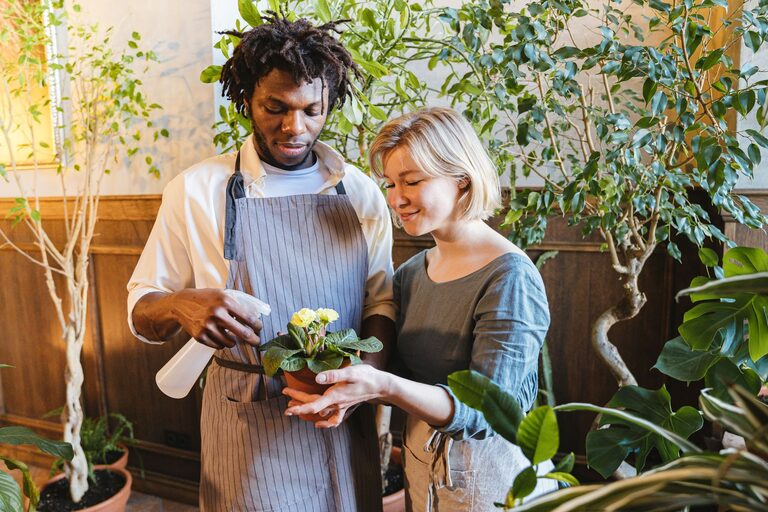
Bringing houseplants into your home not only adds beauty and a touch of nature but can also improve air quality and boost your mood. However, keeping these green companions healthy requires some knowledge and attention. Whether you’re a seasoned plant lover or just starting out, these tips will help your houseplants thrive.
Understanding Your Houseplants' Needs
Every plant species has unique requirements, but most houseplants need similar basic care elements:
– Light: The right amount of light is crucial.
– Water: Proper watering keeps roots healthy.
– Soil: Good soil provides essential nutrients and drainage.
– Humidity and Temperature: These affect growth and comfort.
– Fertilization: Feeding helps plants grow strong.
– Pest Control: Preventing and managing pests protects your plants.
Knowing these basics sets a strong foundation for healthy houseplants.
Choosing the Right Location and Lighting
Match Plants to Available Light
Plants vary in their light needs. Some thrive in bright, direct sunlight, while others prefer low light. Before placing your plant, assess the natural light in your home:
– Bright Light: Near south- or west-facing windows.
– Indirect Light: East-facing windows or rooms with filtered light.
– Low Light: Farther from windows or rooms with minimal natural light.
Popular low-light plants include snake plants and pothos, making them great for dimmer spots.
Rotate Plants Regularly
To encourage even growth, rotate your plants every week or two. This prevents leaning toward the light source and helps leaves develop evenly.
Watering Tips for Healthy Growth
Understand Watering Needs
Overwatering is a common mistake that can lead to root rot, while underwatering causes wilting and brown leaves. Here’s how to get it right:
– Check Soil Moisture: Insert your finger about an inch into the soil. If it feels dry, it’s time to water.
– Water Thoroughly: When watering, soak the soil until water drains from the pot’s bottom. Discard excess water to avoid soggy roots.
– Adjust Frequency: Watering needs vary by season and plant type. Most houseplants need less water in winter.
Use Room-Temperature Water
Cold water can shock roots. Using room-temperature water helps plants absorb moisture more comfortably.
Choosing the Right Soil and Pot
Use Quality Potting Mix
Houseplants do best in well-draining, nutrient-rich soil. Avoid garden soil, which can be too dense and may contain pests or diseases. Buy potting mixes designed for indoor plants or specific plant types.
Ensure Proper Drainage
Pots should have drainage holes to prevent excess water buildup. Using a pot with a saucer can catch extra water but be sure to empty the saucer regularly.
Repot When Needed
Plants often outgrow their pots. Signs include roots growing out of drainage holes or slowed growth. Repotting into a slightly larger container with fresh soil gives roots room to expand and access to fresh nutrients.
Maintaining the Right Humidity and Temperature
Keep Plants Comfortable
Most houseplants prefer temperatures between 65-75°F (18-24°C). Avoid drafts, sudden temperature changes, and placing plants near heating or cooling vents.
Increase Humidity for Tropical Plants
Some plants, like ferns and orchids, thrive in higher humidity. To boost humidity:
– Use a humidifier.
– Group plants together to create a microclimate.
– Place plants on a tray filled with water and pebbles (ensure pots aren’t sitting directly in water).
Feeding Your Plants: Fertilizing Basics
Use Balanced Fertilizers
During the growing season (spring and summer), feed your houseplants every 4-6 weeks with a balanced, water-soluble fertilizer. Follow package instructions carefully to avoid over-fertilizing.
Reduce Feeding in Dormant Periods
Most plants slow down in fall and winter and need less fertilizer. Cut back or pause feeding during these months.
Pest Prevention and Management
Common Houseplant Pests
Watch for pests like spider mites, aphids, mealybugs, and scale. These can weaken plants by feeding on leaves and stems.
How to Prevent Pests
– Inspect new plants before bringing them indoors.
– Keep plants clean by wiping leaves with a damp cloth.
– Avoid overwatering, which can encourage pests and fungal growth.
Natural Pest Control Methods
If pests appear, try these gentle treatments first:
– Spray plants with diluted insecticidal soap.
– Use neem oil as a natural insect repellent.
– Remove pests manually with a cotton swab dipped in rubbing alcohol.
General Houseplant Care Tips
– Dust Leaves Regularly: Dust blocks sunlight and can attract pests.
– Prune Dead or Yellow Leaves: This encourages healthy new growth.
– Provide Support: Use stakes or plant ties if your plant grows tall or needs support.
– Be Patient: Plants take time to adjust and grow. Regular care pays off over time.
Conclusion
Keeping houseplants healthy involves understanding their specific needs and providing consistent care. By paying attention to light, water, soil, and pest management, you can enjoy lush, thriving plants that brighten your home and improve your environment. With these tips, your green friends will flourish, rewarding you with their natural beauty and tranquility. Happy planting!