

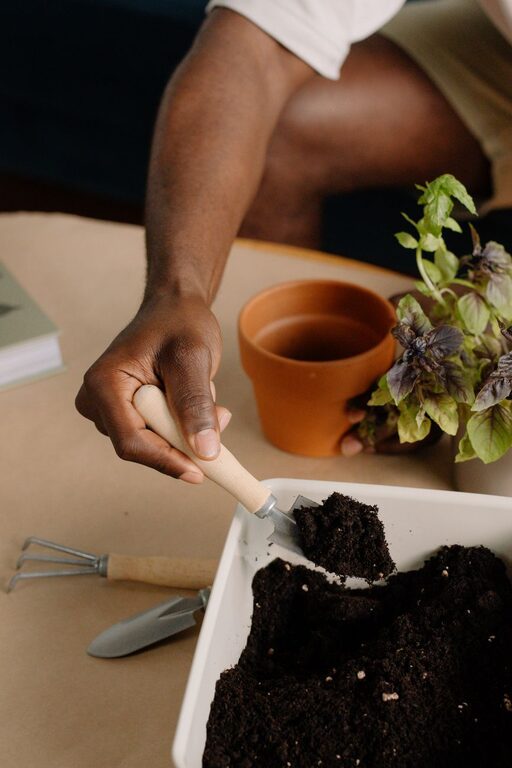
Starting a small herb garden indoors is a rewarding way to bring fresh flavors into your kitchen and add a touch of greenery to your living space. Whether you have limited outdoor space or want easy access to fresh herbs year-round, growing your own herbs indoors is both fun and practical. This guide will walk you through everything you need to know to get started, from choosing the right herbs to caring for them as they grow.
Why Grow Herbs Indoors?
Growing herbs indoors has several advantages:
– Convenience: Fresh herbs at your fingertips while cooking.
– Year-round growth: No dependence on seasons or outdoor conditions.
– Space-saving: Perfect for apartments or homes without a garden.
– Cost-effective: Save money by growing your own herbs instead of buying fresh ones.
– Air quality: Indoor plants can help improve air quality.
Choosing the Right Herbs for Indoor Gardening
Not all herbs thrive indoors equally well. When starting out, select herbs that adapt easily to indoor conditions:
– Basil: Needs plenty of light; great for Italian dishes.
– Parsley: Tolerates some shade; versatile in many recipes.
– Chives: Require moderate light; easy to grow.
– Mint: Grows quickly and even tolerates less light but can spread fast.
– Thyme: Prefers bright light; drought-tolerant.
– Oregano: Needs bright light; great for Mediterranean cooking.
– Cilantro: Likes cooler temperatures and bright indirect light.
Try starting with 3-5 varieties that you use most in your cooking.
What You’ll Need to Start Your Indoor Herb Garden
Before planting, gather these essentials:
– Containers: Choose pots with drainage holes to prevent overwatering. Small pots or a shared planter box works well.
– Potting soil: Use a light, well-draining potting mix formulated for herbs or indoor plants.
– Seeds or starter plants: Seeds are economical, but starter plants give you a head start.
– A sunny spot: Most herbs need 6-8 hours of light daily. A south-facing window is ideal.
– Watering can: For gentle, controlled watering.
– Labels or markers: To keep track of what you’ve planted.
Step-by-Step Guide to Planting Your Indoor Herbs
1. Prepare Your Containers
Fill the pots with potting soil, leaving about an inch of space at the top. Ensure drainage holes are not blocked.
2. Plant Seeds or Transplant Seedlings
– Seeds: Follow the seed packet instructions for planting depth. Lightly cover with soil.
– Seedlings: Gently loosen roots and place them in the soil at the same depth they were in their original container.
3. Water Thoroughly
Water the soil until it’s moist but not soggy. Overwatering can lead to root rot.
4. Position Your Herbs
Place the pots in a location that receives adequate sunlight. Rotate pots every few days to ensure even light exposure.
5. Maintain Proper Temperature and Humidity
Most herbs prefer temperatures between 65-75°F (18-24°C). Avoid placing pots near drafts, heating vents, or air conditioners.
Caring for Your Indoor Herb Garden
Watering Tips
– Check soil moisture regularly by sticking your finger about an inch into the soil.
– Water when the top inch feels dry.
– Avoid waterlogging the soil.
Light Needs
– If natural light is limited, consider using a grow light for 10-12 hours daily.
– Rotate plants to keep leaves growing evenly.
Fertilizing
– Use a balanced liquid fertilizer diluted to half strength every 4-6 weeks.
– Avoid over-fertilizing, which can affect flavor and growth.
Pruning and Harvesting
– Regular trimming encourages bushier growth.
– Harvest leaves by pinching off the tips, leaving some growth to continue.
– Remove flowers promptly to prevent herbs from going to seed too early.
Troubleshooting Common Issues
– Yellow Leaves: Often a sign of overwatering or poor drainage.
– Leggy Growth: Typically caused by insufficient light.
– Pests: Watch for aphids or spider mites; wipe leaves with soapy water if needed.
– Mold or Fungus: Reduce watering and improve airflow around plants.
Tips for Expanding and Enjoying Your Herb Garden
– Group herbs with similar care needs together.
– Experiment by adding herbs to your meals fresh or dried.
– Share cuttings with friends to propagate new plants.
– Use attractive containers to match your home décor.
Final Thoughts
Starting a small indoor herb garden takes just a little planning and care, but the rewards are plentiful. Fresh herbs will enhance your cooking, brighten your living space, and offer a fulfilling gardening experience all year long. With the right herbs, containers, and sunlight, you’ll be on your way to growing a thriving indoor garden in no time. Happy gardening!